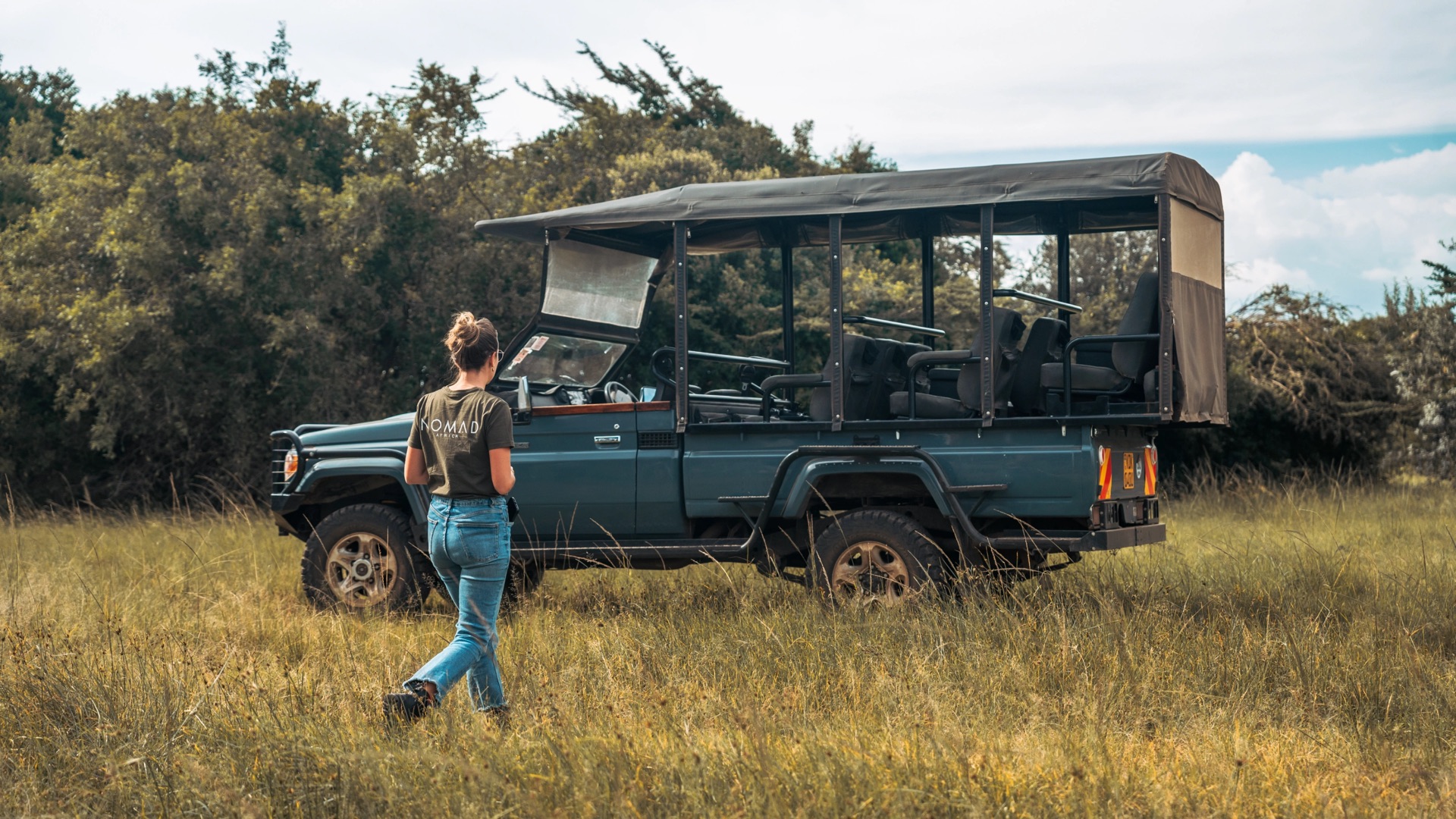
The levers
Everyone says tailor-made. Nobody says what is adjustable.
So most people change the obvious things — country, camps, nights — and accept everything else as though it were physics. A great deal of it is not physics, and eight of the levers cost nothing at all.
Honestly labelled
Free, worth paying for, rarely worth it, fixed
Four categories, and the first one is the one nobody uses.
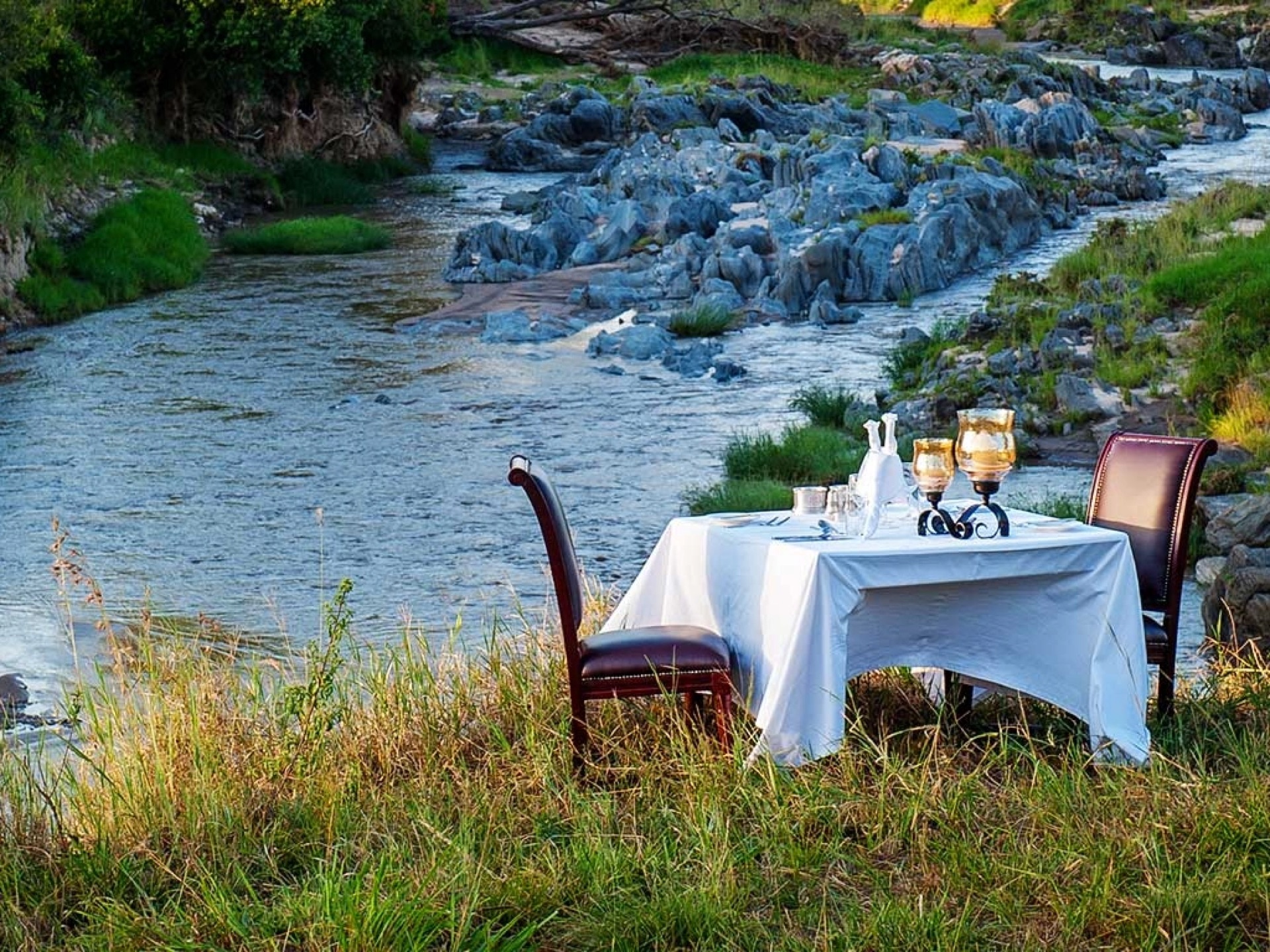
The free levers
Departure time, breakfast in the vehicle, skipping the afternoon drive, what you do at a sighting. Eight of them, all at no charge.
All eight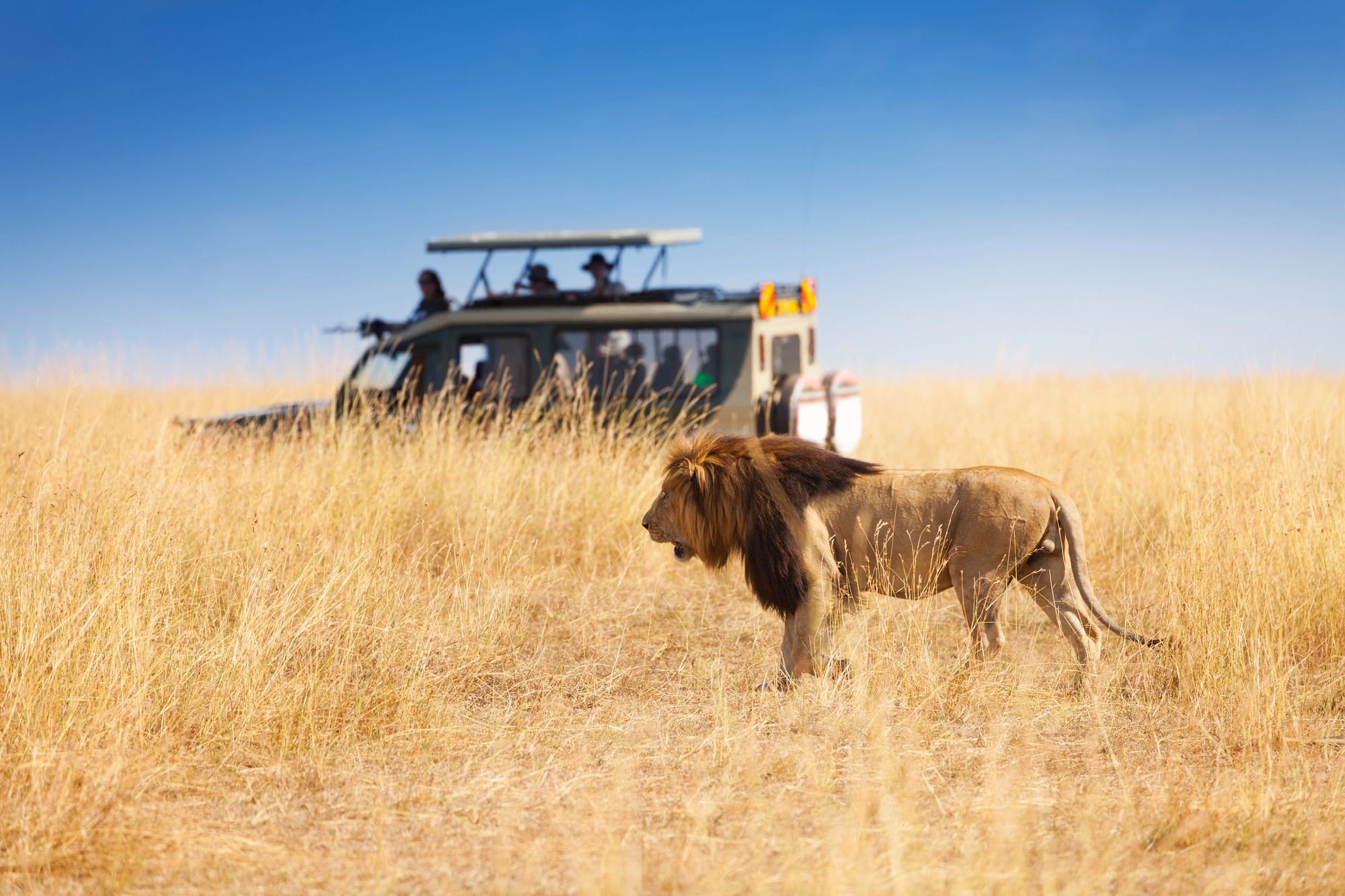
Worth paying for
A private vehicle, land that permits more, a third night instead of a second, a guide who travels with you.
What it adds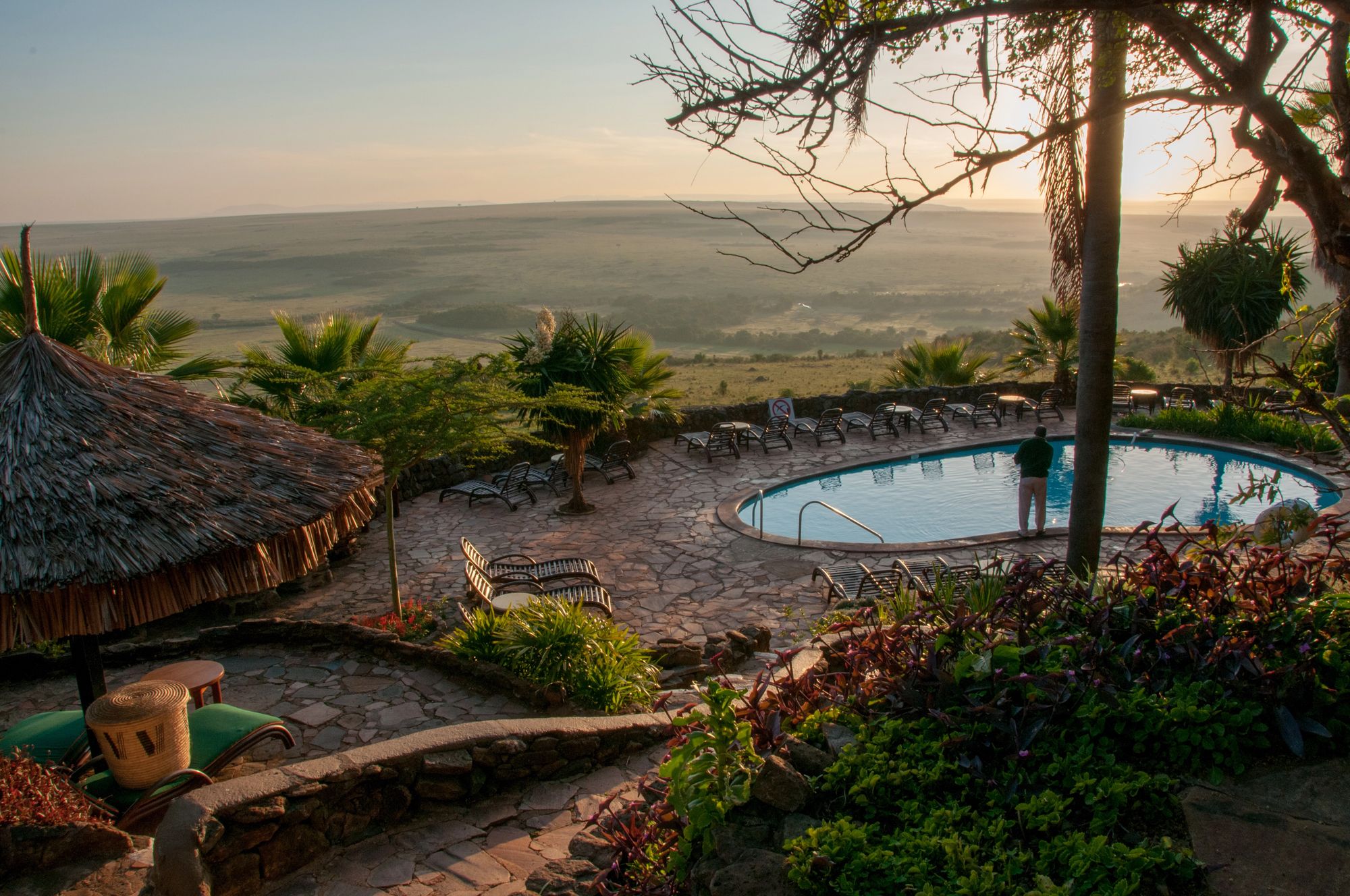
Rarely worth it
A larger tent, on most trips. A helicopter that replaces nothing awkward. An extra country, which is the dearest way to buy contrast.
Where not to spend
What will not move
Gate times, permit dates, the migration, the weather, and whether you see a leopard. Said plainly, because someone should.
The hard limits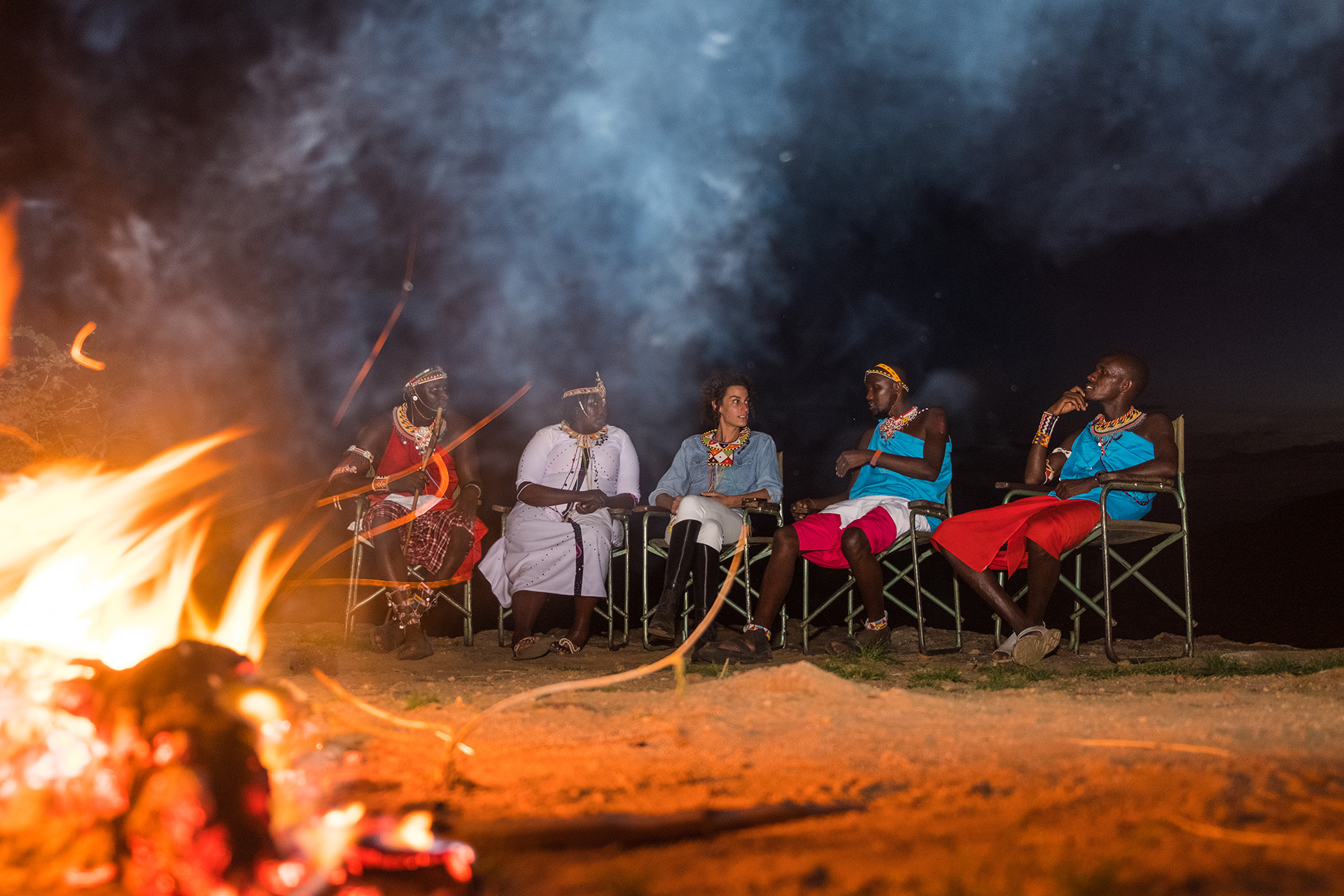
How to ask
Say what you want to happen, not which product you think delivers it. One sentence can select land, camp size and vehicle at once.
How to phrase it
When to ask
Most levers are cheap at the enquiry stage, awkward after the deposit and impossible at the airstrip.
The right momentThe best free lever
Breakfast in the vehicle buys you the best two hours of the day
It costs nothing. The kitchen packs a box, you leave before light instead of after it, and you are out for the two hours when predators are still moving and the light is worth something.
The alternative — the one that happens by default — is breakfast at camp, a departure at seven, and arrival at a sighting that four other vehicles found an hour ago.
Almost nobody asks, because almost nobody knows it is an option. At a camp of eight tents it is a sentence at dinner the night before.
- Leave before first light rather than after breakfast
- Skip the afternoon drive and take a long evening one instead
- Stay an hour with one animal rather than collecting six
- Tell the camp what you actually want to see this week
Free download
The Levers
Every lever on a safari, labelled free, cheap, expensive or fixed — including the eight that cost nothing and that almost nobody pulls.
- Why nobody tells you what is adjustable
- Eight levers that cost nothing
- Levers worth paying for
- Levers rarely worth paying for
- What genuinely will not move
- How to phrase a request
- When to ask — and when it is too late
- What each change actually costs
No cost, no obligation. We ask for an email so we can send it and, if you want it, follow up once.
Before you ask
Questions about changing things
What is the single best thing to spend extra money on?
A private vehicle, for most people, on most trips. It changes when you leave, how long you stay at a sighting, whether you can follow something, and whether the afternoon belongs to you or to a negotiation with strangers.
Somebody choosing between a room upgrade and a private vehicle at similar money should take the vehicle almost every time. The room is where you sleep; the vehicle is where the safari happens.
Is it rude to ask a camp to change its timings?
No, and at a small camp it is entirely normal. Six to twelve tents means sixteen to twenty-four guests and a kitchen that knows all of them, so an early departure with breakfast in the vehicle is a conversation rather than a request form.
At a forty-room lodge it is harder, not because anyone is unwilling but because seventy people need service times. If flexibility matters, that is a reason to choose a smaller camp in the first place.
Can I change things after I have paid a deposit?
Some things, yes. Timings, meal arrangements, what you do at a sighting and often the vehicle arrangement can still be adjusted. Camps, dates and routes become progressively harder and are governed by the cancellation terms.
Which is why the levers are worth pulling at the enquiry stage, when changing anything costs nothing at all.
Can you guarantee we will see the migration?
No, and nobody honestly can. It is a moving population spread across an enormous area rather than an event with a date, and the herds do not consult anyone’s calendar.
What a specialist can do is put you in the right place for the odds on your dates, and say plainly when your dates are wrong for what you are picturing. Anyone guaranteeing an animal is selling you something.
Who actually arranges my safari?
This site is a planning guide. When you send an enquiry it goes to Nomad Africa, our partner travel agency in Kenya, who prepare your itinerary and quote and handle the booking, the payments and you on the ground.
You deal with one team from the first email to the airport transfer home.
Start planning
Tell us what you would change
Even if it is just "we want to be out before light and we do not want to share a vehicle". That is two levers, and together they select the land, the camp size and half the itinerary.
Our Africa specialist replies within 24 hours with what each change costs, what costs nothing, and what genuinely cannot move.
- A straight answer on what each request adds to the price
- The free ones flagged as free
- An honest no where something is fixed rather than expensive
- No deposit to see a plan, and no obligation at any point
Who answers
Nomad Africa, our partner travel agency in Nairobi, builds and prices every itinerary we send. You deal with one team, on the ground, for the whole trip.
Founded in 2017 as East Africa’s only dedicated travel magazine, Nomad still publishes — so the people planning your trip are the ones who write about these places for a living.
Get your tailored itinerary and quote
Our Africa specialist replies within 24 hours with a costed plan built around your dates.
More from our Africa guides
Specialist guides across our Africa network
Each of these is a focused guide we publish. Same Africa specialist behind every enquiry.