Good value
Where the next thousand pounds does the most
Almost never on the room, which is where most first drafts put it, because the room is the part with photographs.
| The lever | What it changes | Worth it when |
|---|---|---|
| A private vehicle | Departure time, how long you stay, whether you can follow something | Almost always — the highest-value upgrade on most trips |
| Land that permits more | Walking, night drives, off-road driving, capped vehicles | When any of those four is on your list |
| A third night instead of a second | Two full days rather than one; the mornings that produce | Nearly always — and it often removes a flight too |
| A guide travelling with you | Continuity across camps; somebody who learns what you like | Long trips, photographers, multi-generational parties |
| An extra seat for camera gear | Removes the baggage argument entirely | Any trip where the lenses are the point |
| A whole house or mobile camp | Every timing decision belongs to your party | Six or more people travelling together |
Why the private vehicle comes first
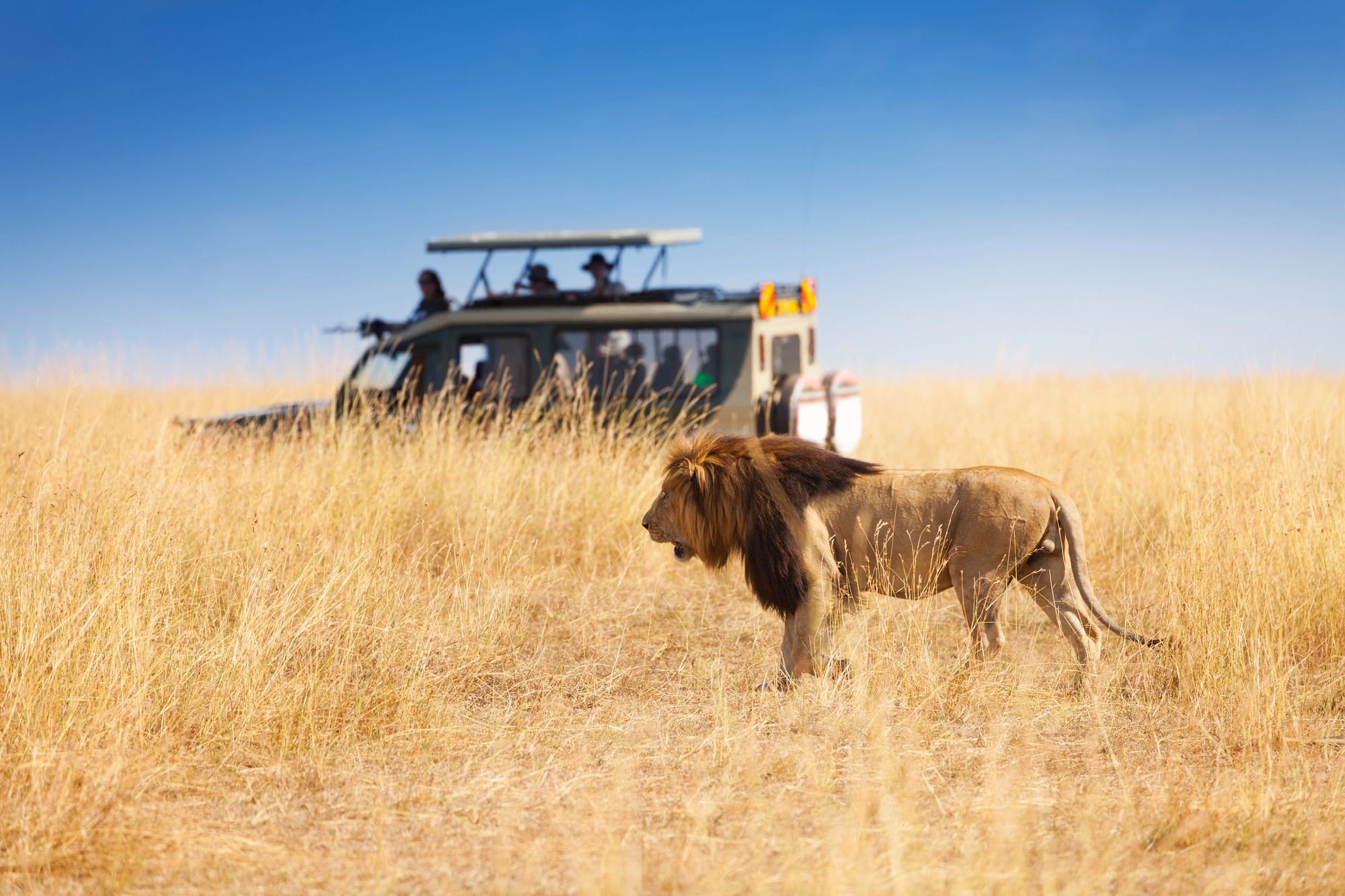
It is the only upgrade that changes every hour of every day. Without it you leave when the vehicle leaves, come back when the vehicle comes back, and negotiate with strangers about whether to stay with a leopard or go to lunch.
With it, the day is yours: out before light, back at eleven, out again at four and in after dark where the land allows. The camps stay the same and the holiday is different.
Ask what it adds to your specific quote before assuming it is out of reach. It is frequently less than the room upgrade being offered alongside it.
Why a third night beats almost anything
Two nights in a place is one full day, because the arrival afternoon and the departure morning are both eaten by the move. Three nights is two full days, and the second and third mornings are when a guide stops finding animals and starts showing you a place.
It frequently costs less than it looks, too, because adding a night in a place you are already in can remove a flight somewhere else.
Rarely worth paying for
- A larger tent, on most trips. You sleep and change there. The day happens outside it, and the same money on a vehicle changes the day.
- A helicopter transfer that does not replace a genuinely awkward connection. Wonderful, and usually a purchase of the experience rather than of time.
- A balloon flight, if you are buying it as a wildlife activity. It is a lovely thing to do and it is not a game drive; book it knowing which one you want.
- An extra country. The most expensive way to add contrast. A different land type in the same country usually delivers more of it for a fraction.
- A spa, on a four-night stay. On a three-week trip it earns its place; on a short one it is a room you will not enter.
The order that works
In rough order of effect per pound: a private vehicle, land that permits what you want to do, three nights instead of two, a good guide, a smaller camp — and only then a larger room.
Most first drafts are arranged in exactly the reverse order. It is not a trick; it is that photographs of interiors are what exist to be shown, and the vehicle arrangement is a line of text.
What the bands buy
| Per person per night | What it buys |
|---|---|
| US$800 – 1,200 | Established camps in genuinely good locations, a private vehicle throughout, light-aircraft hops between parks rather than long road transfers, and guiding that is a profession rather than a job. The entry point to a safari that does not compromise. |
| US$1,200 – 1,800 | Camps on private land, where the rules change: off-road driving to a sighting, night drives, walking with an armed guide, and a cap on how many vehicles may attend anything. Usually the point at which people stop comparing safaris on price. |
| US$1,800 – 2,500 | The camps people name when they get home. Six to ten tents, an owner or manager who is present, a guide assigned to you for the stay, and food that would hold its own in a city. |
| US$2,500 – 4,000 | A guide who travels with you from park to park rather than being handed over at each one, private charters on your own schedule, and small camps taken whole for your party. |
| US$4,000 and up | Exclusive-use houses and villas with their own staff, mobile expedition camps built for your route, and private aircraft between countries. Bought for privacy and control rather than for thread count. |
Indicative planning ranges only, per person per night sharing, for a fully inclusive safari — accommodation, meals, park and conservancy fees, guiding, and transport between parks. They are what we see in the market, not a quote and not an official tariff. Your quote will be exact and itemised. International flights are not included.
Ready to turn this into a real itinerary?
Send us your dates, who is travelling and roughly what you want to spend per person per night. Our Africa specialist comes back within 24 hours with a plan built around them and a costed quote.